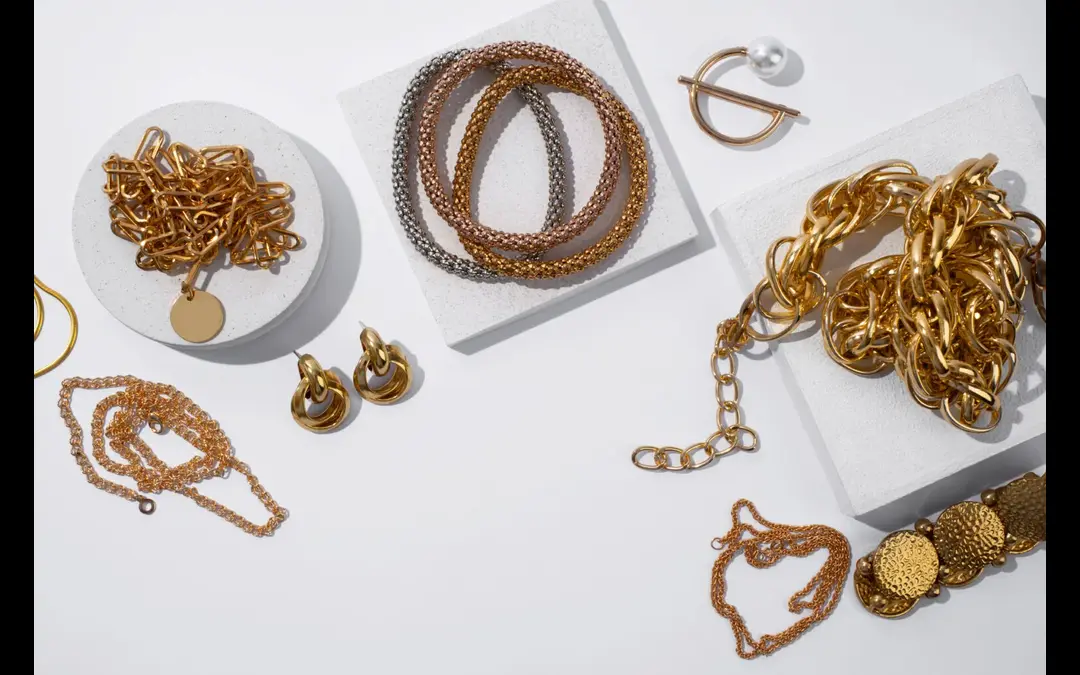
There’s something quietly emotional about jewellery. It’s not just metal and sparkle — it’s memory, sentiment, a tiny piece of someone’s life story. Yet lately, I’ve noticed more people in Sydney (and honestly, right across Australia) are starting to part ways with their old gold necklaces, bracelets, and rings. Not out of impulse, but out of a sense of practicality — and sometimes, empowerment.
A few weeks ago, I cleaned out a jewellery box I hadn’t opened in years. Among the tangled chains and single earrings missing their mates, there it was: a chunky 9-carat gold necklace I hadn’t worn since my uni days. It was heavy, out of style, and collecting dust. My first thought was sentimental — could I really let this go? But after a quick reality check (and a rising electricity bill), I realised it might actually be smarter to sell the thing than let it sit forgotten.
That’s when I started digging into what it really means to sell gold necklace for cash in Australia — and why it’s becoming something of a quiet financial trend.
The Modern Gold Rush (Without the Pickaxe)
It’s funny — gold never really goes out of fashion. Whether it’s adorning someone’s neck or sitting in a vault, its value has held firm for centuries. But in recent years, the global economy’s ups and downs have made gold shine even brighter in people’s minds.
With cost-of-living pressures biting and a growing awareness of sustainable consumption, many Aussies are looking around their homes for hidden value. That old necklace, the one you wore to a wedding in 2005 and never again? It could be worth more than you think.
Gold prices fluctuate daily, but they’ve been relatively strong — which means even small amounts can add up fast. One friend told me she made nearly $600 from a few broken chains and a dented bracelet. “It felt like free money,” she said, “but also like letting go of old energy.” I kind of love that sentiment — the mix of financial and emotional release.
How Selling Works (and What Caught Me Off Guard)
If you’ve never sold jewellery before, the process can sound a bit daunting. I used to picture a dimly lit pawn shop and a man with a magnifying glass and a gruff voice saying, “I’ll give you fifty for it.” Turns out, that’s far from reality.
Most reputable Sydney gold buyers today operate like professional jewellers or boutique traders. They’ll test the purity of your gold (usually in front of you), weigh it carefully, and quote you based on the current market rate. Many even explain the maths so you know exactly how they arrived at the figure.
You might not know this, but gold buyers don’t just care about looks — it’s the purity and weight that count. So even if your necklace is scratched, dated, or missing a clasp, it can still be valuable.
When I finally decided to sell my necklace, I visited a small local gold exchange in the city. The whole process took less than fifteen minutes, and I walked out with a tidy sum that ended up paying for a long-overdue car service. Not glamorous, but satisfying nonetheless.
If you’re curious about how to sell gold necklace for cash, there are plenty of reputable services — both in-store and online — that can help you find out what your pieces are truly worth. Just make sure you check reviews, compare quotes, and choose a licensed buyer who’s transparent about their pricing.
Emotional Value vs. Real Value
This is the part that tends to surprise people. Sometimes we hold onto jewellery not because we love it, but because we feel we should love it. It’s sentimental clutter — gifts from old relationships, inherited pieces that don’t suit us, or impulse buys that never left their boxes.
Letting go of that can feel strange at first. I remember hesitating for days, telling myself, “What if I regret it?” But when I finally sold it, I felt lighter — and oddly relieved. There’s something freeing about turning an unused item into something useful again.
It’s not about being materialistic; it’s about being mindful. We live in a time when minimalism and sustainability aren’t just buzzwords — they’re practical philosophies. Selling your old jewellery doesn’t erase its history; it gives it a new life. That gold will likely be melted, refined, and reshaped into something fresh, something another person will cherish.
The Growing Appeal of Sydney Gold Buyers
Sydney’s gold-buying scene has changed dramatically in the past decade. What used to be a hush-hush transaction has evolved into a mainstream financial option. Whether you’re decluttering, investing, or just curious, today’s buyers are more professional, transparent, and approachable than ever.
Many offer instant cash or same-day transfers, which makes it easy for people looking for quick liquidity. And let’s face it — in a world where everything’s getting more expensive by the week, a bit of extra money can go a long way.
I came across a great piece from the Sydney gold buyers community recently, and it summed up something I’ve been thinking too: we’ve all become a bit of a hoarder generation. We hold onto things “just in case,” but sometimes the smartest move is to cash in on what we don’t use and reinvest it into something that truly serves us.
It’s not just older people doing this either. Younger Australians — millennials especially — are leading the way. They’re selling inherited jewellery or unworn gifts to fund travel, home deposits, or even small business ventures. It’s practical, and it’s refreshingly unromantic in the best way.
Tips Before You Sell
If you’re thinking about giving this a go, here are a few quick lessons I picked up along the way:
- Know your gold. Check for karat markings — 9k, 14k, 18k, etc. The higher the number, the purer (and usually more valuable) the gold.
- Weigh it, but don’t rely on kitchen scales. They’re rarely accurate enough for small items. Professional buyers use precise scales.
- Shop around. Don’t take the first offer you get. Different buyers might pay slightly different rates depending on the day and the type of gold.
- Avoid middlemen. Go directly to a licensed gold buyer rather than selling through online marketplaces or generic pawnbrokers.
- Keep documentation. If it’s a family piece or has an appraisal, bring it along. It can sometimes help with verification.
And here’s a bonus one — trust your gut. If the buyer feels dodgy, walk away. You’re not obligated to sell just because you asked for a quote.
When Selling Becomes a Fresh Start
There’s something beautifully symbolic about selling old gold. It’s not just about getting cash; it’s about moving forward. One woman I spoke to sold a necklace her ex gave her years ago and used the money for a solo weekend getaway. Another melted down her mother’s outdated jewellery to create a modern pendant that suits her style.
It’s proof that our possessions can evolve with us — or be released when they no longer fit who we are.
And perhaps that’s the quiet power of it all. You’re not discarding memories; you’re transforming them. That’s what I found most comforting in the end. Every time I see that space in my jewellery box now, it reminds me that letting go isn’t losing — it’s making room for something new.
The Takeaway
Selling your gold necklace for cash isn’t about chasing trends or quick wins. It’s about being smart, realistic, and even a little sentimental in a modern way. If you’ve got pieces sitting in a drawer that no longer serve you — financially or emotionally — maybe it’s time to give them a new purpose.
Gold doesn’t belong in the past; it’s one of those rare things that can always be renewed, recycled, and reimagined. Whether you use the money to pay off a bill, treat yourself, or save for something bigger, the real reward is the clarity that comes from simplifying your life.