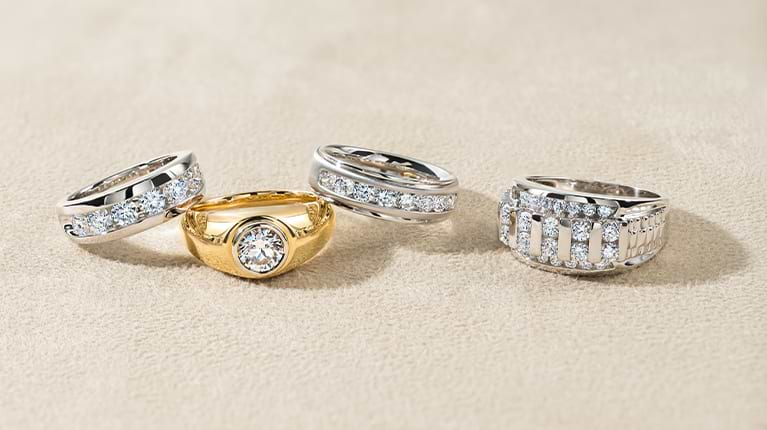

Lab Diamonds Explained
Real diamonds made in labs start life just like mined ones but grow fast inside machines. Weeks pass before they’re ready, while nature takes eons under ground. Identical on the molecular level, these stones match in sparkle and strength too. Cost less often draws interest, along with clearer origins behind their making. Rings meant for promises hold them, also dangle from ears or wrap around wrists.
Lab Diamonds How Theyre Created
A machine makes these stones by mimicking earth’s deep heat and pressure. One way uses a chamber where carbon forms layer by layer under intense conditions
- Beneath heavy weight and intense heat, carbon slowly becomes a diamond through HPHT. This method copies deep underground forces where natural diamonds grow over time.
- A single diamond builds itself inside a chamber filled with gas. Each new level appears slowly, step by step. The air holds the pieces needed for growth. Over time, those pieces settle into place. A thin film forms first, then thickens naturally. What emerges is shaped entirely by invisible reactions. This process repeats until complete.
One way or another, these moissanite vs diamond gems nearly indistinguishable from earth-mined ones. Another thing – lab-grown versions take shaping and finishing just like their naturally formed counterparts.
Environmental Impact And Comparable Quality To Mined Stones
Lab diamonds have several practical advantages:
- Priced lower, lab stones often cost between twenty and forty per cent less than mined ones with matching traits. A fair deal shows up when comparing equals – same clarity, cut, weight, sparkle. Not magic, just science shaping value.
- Starting with how they’re made, lab diamonds skip the harm to nature plus steer clear of shady digging operations. Their origin story cuts out ruined landscapes along with unfair labor from mines.
- Picking a shade or size? Lab setups nail it every time. Not left to chance, these stones come out spot on, batch after batch. Exact hues show up just like they should. Flawless types appear without fail. Weight lands right where needed. Precision built in, each one follows the blueprint.
A one-carat diamond ring made with a lab stone might cost less than one with a mined stone, yet still shine just the same – leaving extra room in your wallet for something tailored. That difference? It shows when comparing what each option delivers without changing how it feels on your hand.
Lab Diamonds versus Mined Diamonds
A trained glance might struggle to tell lab stones apart from earth-grown ones. One performs just like the other when judged by weight, precision, hue, or purity.
- A smaller tag doesn’t mean lower quality – lab stones offer bigger looks without stretching budgets. Size sneaks up when cost steps down.
- Few weeks is all it takes to grow a lab diamond, whereas nature needs eons for the same result.
- Mining scars landscapes. Lab diamonds skip that damage, though they do need power to grow underground crystals one atom at a time.
A small flash on the finger – one from a lab, another dug up deep below – both shine just alike when they catch the light. Which path brought them here matters less than how they sit against the skin.
Selecting Your Preferred Lab Diamond
When selecting a lab diamond, consider these factors:
- A stone’s ability to bounce back light? That hinges on its cut. How it sparkles ties directly to shaping choices made during cutting.
- Faults inside show less, so it looks more transparent. Clear look comes from fewer inner imperfections.
- Fancy shades pop up now and then, though most stay clear or almost clear. Lab stones come without tint just as often as they show a hint of warmth.
- Bigger stones weigh more, so they cost extra. Size shifts based on how heavy the gem is.
- A good place to start? Check for paperwork from known labs – GIA, maybe IGI. These names pop up when quality proof matters. Trust builds slowly, yes, but a solid report helps. Details inside show what lies beneath the shine. Not every document weighs the same. Some carry more weight. Yours should too.
Start with how it’s shaped. Even tiny issues fade when the angles send light dancing back out. Shape matters more than perfection inside. Brightness jumps if each face lines up just right. Look at that glow – clean edges make weak spots hard to see. Getting the form correct changes everything quietly. Light behaves differently when the design leads it well.
Lab diamonds used in jewelry tech industry research
Lab diamonds are versatile and used in various jewelry:
- Engagement and wedding rings
- Little loops for ears, hanging bits that drape below, also bands you wrap around a wrist
- From hand-drawn patterns to retro-inspired frames. Old-school charm meets one-of-a-kind layouts
A tiny lab diamond next to colored stones makes a fresh-looking ring at low cost. Instead of going big, mixing modest pieces brings charm without draining your wallet.
Maintaining Your Lab Diamond
A sparkle stays bright when treated with attention. Though lab stones match mined ones in toughness, a gentle wipe keeps them gleaming. Even strong gems show grime without cleaning now then. Care makes a difference even if damage seems unlikely. Shine fades quietly when ignored. Regular checkups help more than expected. Dust collects where eyes don’t always look
- Rinse gently after washing with a soft soap in lukewarm water.
- Abrasive substances might wear down the metal mounts. Instead, choose gentler options to keep them intact.
- Fragile items need space of their own. Bumping against harder things leaves marks behind. Soft metals keep better when they’re apart.
A shine kept clean lasts longer through care done right. Professional touch-ups keep sparkle alive over time.
FAQs
Are lab diamonds real diamonds?
Fine, lab stones match mined ones right down to their makeup and structure. These gems show equal toughness, fire, shine just as bright, plus earn official grading.
Lab stones often carry smaller price tags compared to earth-grown ones.
Fewer dollars spent up front means room to stretch for something bigger or better made. Lab stones often come in at 20 to 40 percent lower on price tags.
A lab diamond forms in weeks inside machines.
Mined stones take billions of years under Earth’s surface. One grows above ground, the other comes from deep below. Each sparkles in nearly identical ways.
Experts need special tools to spot the origin. To the eye, they look exactly alike.
Few would spot it without help. Confirmation comes through tools built for the task, or papers that prove where it started.