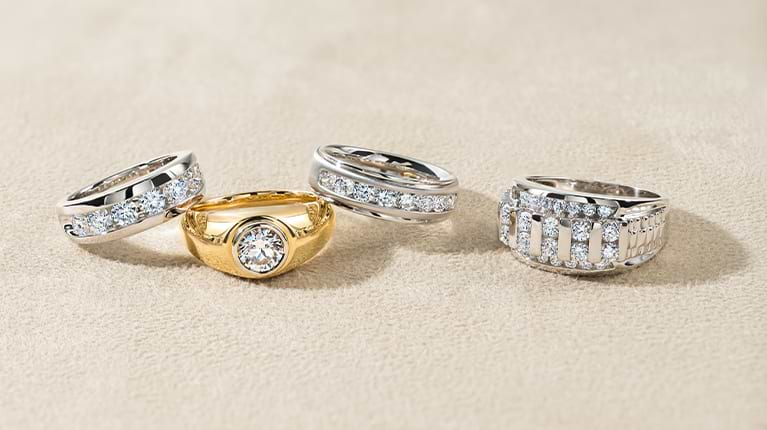

How Gold Buyers Assess Your Gold
When you approach gold buyers the first thing they evaluate is the quality and authenticity of your gold. Buyers are not focused only on weight. They also check purity market value and resale demand. Gold bullion usually comes in bars or coins with a stated purity level. Most reputable bullion products carry markings from recognized refiners or government mints. Examples include:
- 1 oz gold bars from LBMA approved refiners
- Canadian Maple Leaf coins
- Australian Kangaroo coins
- American Gold Eagles
A buyer will often test your bullion using electronic scanners XRF machines or acid testing. Sealed bullion products in original packaging may receive quicker approval because they are easier to verify. If your gold lacks certification the buyer may still accept it but further testing may reduce the final offer or slow the process.
Why People Use Gold Instead of Traditional Loans
Traditional loans depend heavily on credit checks income history and bank records. Many borrowers either do not qualify or do not want long approval processes. Gold backed lending works differently. The asset itself reduces lender risk. That changes the process. You may receive approval faster because the lender already has physical collateral. In many cases funds are released on the same day after inspection. This option is commonly used by:
- Small business owners managing cash flow gaps
- Investors avoiding the sale of long term assets
- People with irregular income
- Borrowers needing emergency funding
The value of the gold often matters more than your credit score.
What Determines the Loan Amount
Lenders calculate loan value based on the current market price of gold and the purity of the bullion. They rarely lend the full market value. Most offer a percentage known as the loan to value ratio. For example: A gold bar worth $10,000 may secure a loan between $6,000 and $8,000 depending on the lender and market conditions. The percentage changes because gold prices move daily. Lenders leave room for price drops and operational risk. Other factors may include:
- Type of bullion
- Storage condition
- Market demand
- Brand recognition
- Ease of resale
Recognized bullion products usually receive stronger offers because they are easier to trade.
Questions You Should Ask Before Accepting an Offer
Not every lender or buyer operates the same way. Terms can vary widely even when the same gold item is used as collateral. Before agreeing to anything ask direct questions.
Interest Rate and Fees
Some lenders advertise low monthly rates but add storage fees handling fees or early repayment penalties. Ask for the full repayment figure in writing.
Storage and Security
Your bullion should remain insured and securely stored while the loan is active. Ask where the gold is kept and whether it is separately stored or pooled with other assets.
Repayment Terms
Understand the repayment schedule clearly. Some loans require monthly interest payments while others allow a lump sum repayment at the end. Missing payments may lead to liquidation of your gold.
Ownership Rights
You should confirm whether you remain the legal owner until default occurs. Reputable lenders explain this clearly in the contract.
How Gold Buyers Make Their Profit
Gold buyers and lenders earn money through spreads fees and resale margins. If they purchase your gold outright they aim to buy below current retail value. That margin covers refining resale and market risk. If they provide secured lending they profit from interest payments and storage services. This does not automatically mean the deal is unfair. It simply means you should understand the structure before signing anything. A fair offer usually reflects:
- Transparent pricing
- Current market rates
- Clear contract terms
- No hidden deductions
Compare at least two or three offers before making a decision.
Common Mistakes People Make
Many borrowers rush into agreements because they need quick cash. That often leads to poor outcomes. One common mistake is failing to track the live gold price before visiting gold buyers. Without knowing the approximate market value you cannot judge whether the offer is reasonable. Another mistake is accepting unclear repayment terms. If the lender cannot explain the agreement simply that is a problem. Some people also use sentimental gold items as collateral without understanding the risk of loss after default. Bullion differs from jewelry because it is usually purchased as an investment. Decisions around it should remain financial and calculated.
When Selling May Be Better Than Borrowing
A secured loan is not always the right option. Sometimes selling makes more sense. For example: If you cannot realistically repay the loan within the agreed period the interest costs may become too high. Selling the bullion directly may leave you with more usable cash and no future debt. Selling may also work better during periods of strong gold prices. The right choice depends on your timeline financial pressure and long term plans for the asset.
Choosing Reliable Gold Buyers
Trust matters in this industry because you are handing over a high value asset. Look for businesses with:
- Clear licensing information
- Transparent valuation methods
- Written agreements
- Positive independent reviews
- Professional testing equipment
Avoid buyers who pressure you to decide immediately or refuse to explain pricing calculations. A professional buyer should be comfortable answering detailed questions.
Using Gold as a Financial Tool
Physical gold is often seen as a long term store of value. But it can also serve a practical role during short term financial pressure. That is why many people explore loans against gold bullion instead of liquidating their holdings permanently. The key is understanding the numbers before moving forward. Know the value of your bullion. Understand the repayment terms. Compare offers carefully. A rushed decision can cost far more than the cash problem you are trying to solve.
Frequently Asked Questions
Can all gold bullion be used for secured loans?
Most lenders accept recognized gold bars and investment coins with high purity levels. Jewelry and damaged bullion may receive lower valuations or be rejected.
Do I lose ownership of my gold during the loan period?
In most cases you remain the owner unless you fail to repay the loan under the agreed terms.
How quickly can funds be released?
Some lenders provide same day funding after inspection and verification of the bullion.