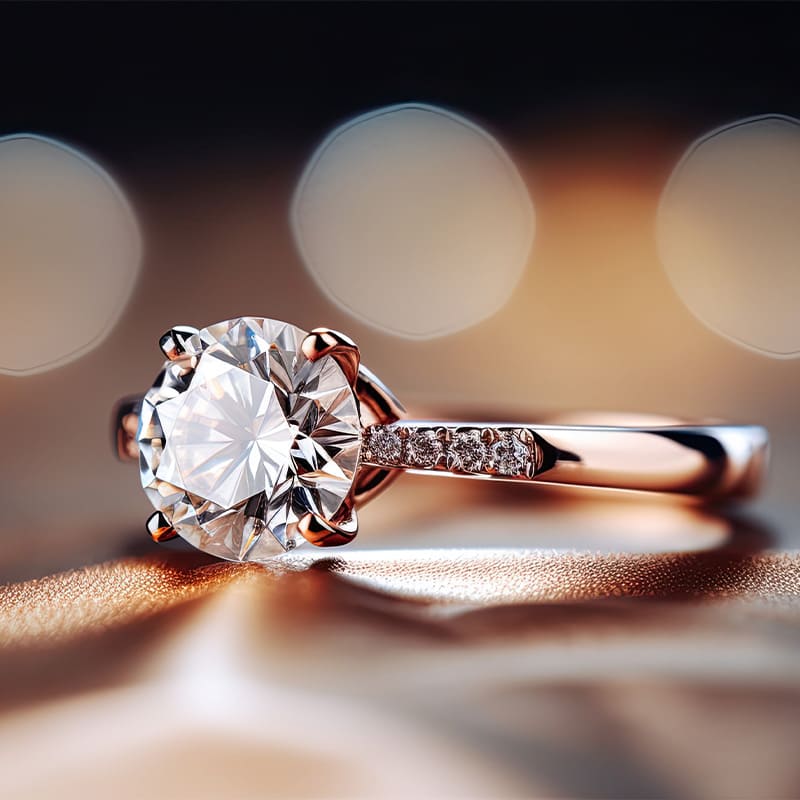

A lab grown diamond is just like any other diamond – only it forms inside a facility. Months pass before they take shape, rather than ages underground. Same atoms, same makeup, built one way no matter the origin. Their strength matches exactly what you find in earth-mined stones. Light dances on them without telling which kind they are. Experts judge their quality using familiar methods without changing a step. Not just any gem gets studied – cut comes first, then how clear it looks, its shade, after that weight in carats. What sets them apart? Where they come from. Made by people in labs, these stones aren’t pretend copies. Built from pure carbon, just like mined ones. Real crystal structures form under pressure there too.
Choosing an Oval Shape
Starting with its sleek outline, the oval stands out by making fingers seem longer. It catches eyes more than similar-sized cuts, giving off quiet grace without extra weight. For something that feels refined yet stays light on the hand, this shape fits just right.
- Biggest trick is how it makes stones look larger than they are.
- A fresh take replaces the usual circular shape.
- Light bounces off it in shifting ways, so tiny flashes show up now and then.
A single-carat oval diamond can look more like one point two five when set beside a round cut. Because of how it spreads light, the price often feels easier on the budget.
Laboratory Created Diamond Engagement Rings Offer Ethical Sourcing And Reduced Environmental Impact
Picking a lab grown diamond for an engagement ring makes sense in real ways. Since they cost less than mined stones, you usually get better clarity at the same price point. That opens up choices – bigger size or cleaner appearance without stretching the wallet. Another angle? These gems skip the digging process entirely. Without mining, there is far less harm to ecosystems and fewer questions about worker treatment hanging around. A single source tracks every lab diamond from start to finish. Knowing its origin comes built right in – no guesswork needed.
Quality Considerations
When selecting your oval lab grown diamond engagement ring, focus on these factors:
- Aim for a shape that lets light bounce through clearly. When cut badly, stones lose sparkle – clarity won’t fix that. Light needs angles to move right.
- Start by spotting what’s inside the stone. A diamond that looks clean without magnification counts as eye-clean. Look closely – any inclusion you can see might matter. Most people won’t notice tiny details unless they’re obvious. The clearer it appears up close, the better it scores on visibility. What matters is how it looks when held, not under a lens.
- Faint hints of tint might appear in oval diamonds. Your ideal choice depends on how strict you are about color quality.
- A single carat can stretch your budget further if you keep things simple. Size might catch eyes, yet smaller stones often suit daily wear better. Picking the right weight means balancing look with what feels manageable long term.
Start by checking how a diamond looks in sunlight. That snapshot might boost shine, yet miss tiny flaws hiding just beneath the surface.
Settings and Styles
A different look comes from each way a ring holds its stone. Among favorites are these styles:
- Solitaire: A simple design that highlights the diamond.
- A ring of tiny stones circles the center oval gem, giving it more presence on the eye. The surrounding sparkle draws attention outward, creating a sense of size beyond its actual measure.
- Beauty sits in the details when extra gems flank the center. A trio tells a story without words. Moments frozen in sparkle on each side.
Picking the right metal makes a difference. For sparkle, go with white gold or platinum instead of yellow gold’s cozy glow.
Caring for Your Lab Grown Diamond
A lab grown diamonds , yet it needs attention like anything else. Soap mixed with water works well when cleaning the ring now and then. Harsh cleaners risk harming the band, so skip those entirely. Yearly checkups make sense even if nothing seems wrong. When prongs shift loose, only a specialist can fix things right. Security of the stone depends on these small details.
Cost Comparison
A smaller price tag often comes with lab made stones – typically between twenty and forty percent lower than mined ones. Because of this gap, spending stays flat while size or purity goes up. Picture a one-carat oval from a lab matching the cost of a natural stone that’s barely seven-tenths. More sparkle per dollar adds up when bigger is on your mind. Financial sense leans this way when value shapes decisions.
Buying Made Simple
- Purchase your piece through a certified dealer you can rely on.
- Look up how returns work, also what the warranty covers.
- A stone’s true value shows up when you look past weight alone. Light performance matters more than mere numbers on a tag. Flaws hidden within affect brilliance far beyond what scale measurements suggest. Hues – often overlooked – shift perception dramatically under natural light.
- Protection for your money might come from an insurance plan. A policy could guard what you’ve put into place.
A visit in real life – or a face-to-face stream – lets you truly check the stone. Satisfaction comes when the cut feels right, the hue matches your thought, also the shine surprises just enough.
FAQ
Are lab grown diamonds real?
Right. These stones made in labs match natural ones right down to their atoms. Real deal, not pretend. Same sparkle, same hardness – just born under electric light instead of deep rock.
Do oval diamonds look bigger than round diamonds?
Funny thing – size perception shifts when you switch shapes. Oval cuts stretch across the finger, giving more visible surface. Round ones sit tighter, even if they weigh the same. So yes, that extra reach tricks the eye pretty well.
Are lab grown diamonds more ethical?
Fine. These skip digging into the earth, lessen harm to nature – so picking one feels like doing right by the planet when choosing a ring.