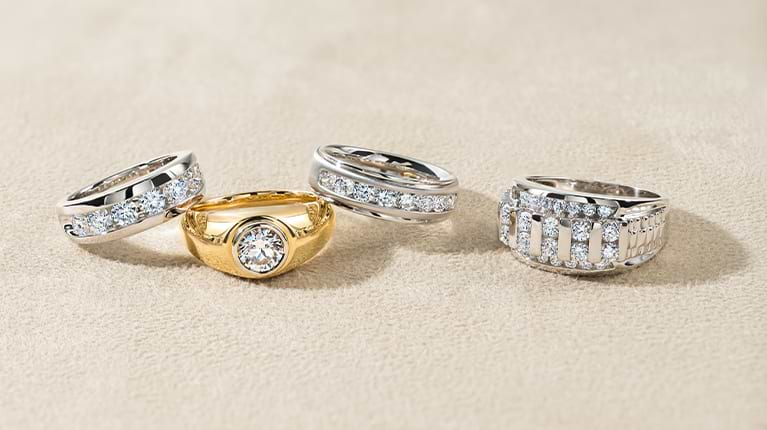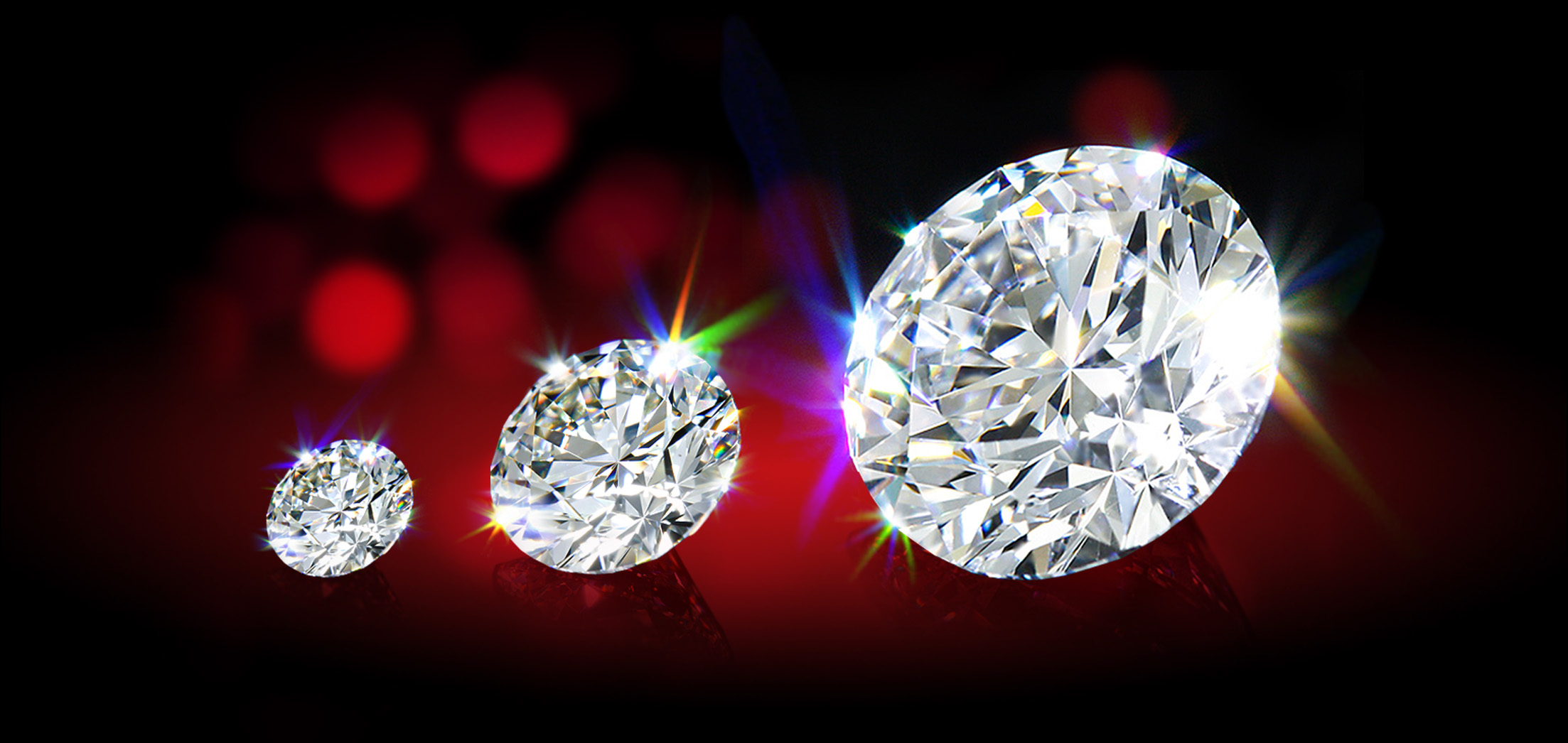

Diamonds grown in labs are actual diamonds formed inside high-tech facilities. Just like earth-mined stones, they match in hardness, makeup, and sparkle. Not fakes – these aren’t built from glass or imitation substances. Real carbon crystal structures emerge using science instead of volcanic forces. Buyers often pick them when clarity about origin matters just as much as brilliance. Fresh off the lab bench, these stones mirror natural diamonds in strength and sparkle – yet usually come with lighter price tags. Because of that, they’re showing up more in rings for engagements, weddings, and moments worth marking.
Lab Diamonds Creation Process
One way to make ready to ship engagement rings Australia with a small piece of diamond placed into hot carbon. Another method presses together pure carbon under immense heat and pressure, much like deep underground. Both paths build gemstones atom by atom outside nature’s timeline
- Deep underground, nature makes diamonds under intense heat and force. A lab can mimic those extreme depths by squeezing carbon until it crystallizes. Instead of waiting eons, scientists speed things up using massive pressure paired with searing temperatures. The result? A real diamond grown in weeks.
- A gas mix inside a chamber slowly becomes diamond through chemical vapor deposition. Over days, carbon settles layer by layer. The process builds stone without shortcuts.
One way or another, these processes create stones identical to natural ones unless you’ve got lab tools handy. Depending on the technique used, the diamond might come out larger, lighter in hue, or clearer than another.
Lab Diamonds Offer Durable Quality Without Mined Extraction
Lab diamonds offer several practical advantages for buyers.
- A lab diamond often comes in at a lower price – usually between twenty and forty percent under a mined one that’s identical in size and clarity. What shows up on the tag might surprise you when comparing stones side by side. Savings appear without changing what you see. The smaller number on the label doesn’t mean lesser sparkle or type. Price drops happen because growing a stone takes fewer steps than digging one out. Less digging, less moving around, less expense passed along. You get the same look but start paying further down the scale.
- Fair labor and safe digging methods become possible when materials are tracked openly. Hidden harm fades if every step stays visible.
- Mining deep underground leaves scars; lab-made stones skip that damage. Less digging means nature stays put, untouched by heavy machines. Waste piles up when earth gets torn open – factories avoid those heaps completely. Space used for mines shrinks to a single building in the city. Machines hum instead of trucks hauling rock through forests. Fewer roads carved into hillsides happen every time one is grown on a shelf.
- Starting from the beginning, it’s usually easier to follow where lab diamonds come from and how they’re made. A clear path shows each step, different from digging through earth. Following the journey feels straightforward, almost like reading a timeline. Each phase stays visible, leaving less guesswork about what happened when.
A single-carat lab-grown round stone might match the price of a smaller, 0.7-carat natural diamond – suddenly size or clarity becomes easier to afford. What once seemed out of reach now fits without stretching.
How Lab Diamonds Are Selected
A good lab diamond needs the exact same attention as one pulled from the earth. Pay close attention to cut, clarity, color, and carat – nothing changes just because it’s grown in a lab. What matters most isn’t where it came from, but how it looks under light. Even though the origin differs, the evaluation stays identical. Look at each feature carefully, like you’d do with any gem meant to last. The process doesn’t shift, only perception might.
- A diamond’s shine comes down to its cut. For the most sparkle, pick one rated excellent or very good. The way it catches light changes everything.
- Faint yellow tints sometimes show in lab diamonds, though not always. Brighter stones usually lack any hue. Clarity often rises when the stone carries no color.
- Start by looking inside the stone. Spot any cracks or spots within. A clean interior often means more sparkle. Fewer marks help it last longer too.
- A stone’s weight plays a role, yet pairing it wisely with how light dances inside and visible flaws brings smarter worth. What counts isn’t just mass on the scale.
A third-party lab might be worth reaching out to for verification. When bodies such as GIA or IGI issue documents, they confirm what you’re buying is genuine – adding trust through clear assessment.
Laboratory Created Diamonds in Wedding Bands
One reason folks pick lab diamonds? They fit tight budgets while still offering bigger or better-looking gems. Style does not matter – these stones work just fine in solo settings, ringed halos, even triple arrangements. Ready to send rings down under often feature these man-made sparklers. Stock levels stay high at many shops, which means choices arrive faster than made-to-order picks. Skip long waits. Get what you want without delay.
Maintenance and Care
Everyday wear? Lab diamonds handle it fine – rated 10 on the Mohs scale, same as mined ones. Toughness isn’t a question here.
- Splashed gently using soft soap plus lukewarm liquid every few days. Rinsed each time without harsh rubbing afterward.
- Pieces kept apart stay safer from scuffs. A single spot away works better than crowding near others.
- Every now and then, get a pro to check things – keeps security where it should be.
A little attention every now then helps the diamond stay bright. Over time, that routine guards how the whole piece looks. It just takes small steps regularly – no big effort – to keep things going strong.
Cost Considerations
One carat lab diamond might set you back four thousand dollars, whereas a mined one often hits six thousand. Since prices shift with cut, clarity, color, and weight, shopping around makes sense. A lower price tag on a grown stone sometimes frees up room for a fancier band. Different sellers offer different deals, so checking more than one spot pays off. That gap between natural and created doesn’t stay fixed – it bends depending on specs. Extra cash saved? It could go toward earrings that match or a bigger center piece. Value shows up in how choices stack, not just the rock itself.
Common Misconceptions
Truth often gets twisted when it comes to lab diamonds. These gems aren’t pretend – they match mined ones atom by atom. Shine and strength? Identical. A common mix-up claims they’re always tiny. Not true anymore – labs craft stones bigger than five carats. Flawless examples fit right into rings, necklaces, anything you’d imagine.
FAQs
Are lab diamonds real diamonds?
True indeed. These stones match natural ones right down to their atomic structure – no difference you can spot even under close look. Real through and through, just made inside labs where conditions stay tightly managed.
Do lab diamonds lose value faster?
Maybe not. Like their mined counterparts, lab-grown stones can retain worth, yet what they fetch later often shifts with buyer interest.
Can lab diamonds be used in any ring design?
True enough, lab diamonds fit any design – solitaires through detailed mounts alike. Because they’re clear and well-made, mixing them into different looks comes naturally.