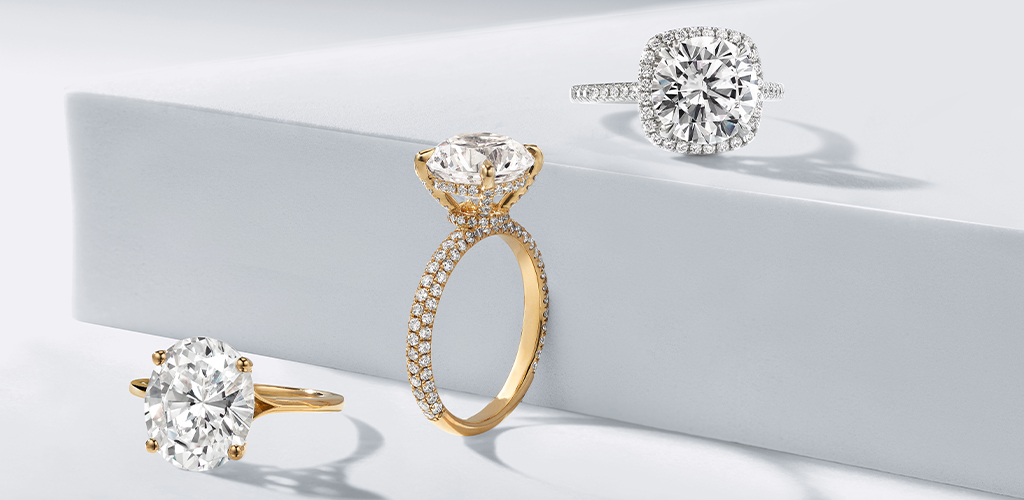

Diamond shopping in Malaysia has changed considerably. Couples are looking beyond traditional jewelry counters, comparing stone quality, checking certification, and paying closer attention to value. Laboratory-created diamonds have become an appealing option, especially for engagement rings.
Shoppers searching for the best lab diamonds MY often want a beautiful stone without paying the premium associated with mined diamonds. Still, price alone shouldn’t determine the purchase. Cut quality, certification, and the jeweler’s reputation deserve just as much attention.
The Difference Between Lab and Mined Diamonds
A laboratory-created diamond isn’t a diamond imitation. It has essentially the same chemical composition, crystal structure, and optical properties as a natural diamond. The main difference is where it forms.
Natural diamonds develop underground over geological timescales. Laboratory diamonds are produced using controlled processes, usually High Pressure High Temperature (HPHT) or Chemical Vapor Deposition (CVD).
Both methods create genuine diamonds. Unlike cubic zirconia or moissanite, lab grown diamonds are made of crystallized carbon and can be graded using familiar diamond quality standards.
For Malaysian buyers, this means there’s no need to compromise on the appearance of a genuine diamond simply because it wasn’t mined.
Diamond Quality Matters More Than Carat Size
A larger diamond isn’t necessarily the better purchase. Two stones weighing one carat can look noticeably different depending on their proportions, clarity, and finish.
Pay Attention to the Cut
Cut influences how effectively a diamond reflects light. A well-cut round brilliant diamond usually displays stronger sparkle than a poorly proportioned stone of similar weight.
For round diamonds, an Excellent cut grade from a reputable grading laboratory is a useful starting point. Fancy shapes require closer visual inspection because their cut assessments aren’t always standardized.
Choose Color and Clarity Carefully
Diamonds receive color grades ranging from D, which is colorless, through Z, which shows increasing yellow or brown tint.
Many buyers find G to H color grades attractive, particularly in yellow or rose gold settings. White gold and platinum may make subtle color differences more noticeable.
Clarity matters too, but a flawless grade isn’t necessary for a beautiful ring. An eye-clean VS1 or VS2 diamond can offer excellent visual appeal without the additional expense of higher clarity grades.
Diamond Certification Shouldn’t Be Optional
A grading report provides independent information about a diamond’s characteristics. It helps buyers compare stones rather than relying entirely on a salesperson’s description.
The International Gemological Institute (IGI) and Gemological Institute of America (GIA) are established names in diamond assessment.
Before purchasing, confirm that the report identifies the stone as laboratory-grown and matches the diamond being sold. Check its measurements, weight, color, clarity, and any disclosed treatments.
Some diamonds also carry a microscopic laser inscription that can be matched with their report number.
A grading report describes the diamond. It doesn’t guarantee the quality of the ring setting or the jeweler’s after-sales service.
Comparing Diamond Prices in Malaysia
Prices vary significantly between jewelers, even for diamonds with similar specifications. Ring design, precious metal content, brand positioning, and retailer margins all influence the final amount.
For someone comparing the best lab diamonds MY, requesting an itemized quotation can make shopping easier.
Ask whether the advertised price includes the diamond, ring setting, sales taxes where applicable, resizing, and certification documentation.
A simple solitaire setting may cost less than a halo design featuring numerous smaller stones. Platinum can also carry a different price from 18K gold.
Avoid comparing prices based on carat weight alone. A slightly smaller diamond with better proportions may provide a more satisfying result.
Choosing a Jeweler You Can Rely On
Online catalogs make it convenient to compare diamond specifications, but photographs rarely tell the whole story.
Look for jewelers that provide clear grading details, actual stone videos, written return conditions, and transparent warranty information.
If visiting a showroom in Kuala Lumpur or elsewhere in Malaysia, examine the diamond under different lighting conditions. Jewelry-store spotlights can make almost any polished stone appear impressive.
Ask about resizing, cleaning, loose-stone replacement policies, and repairs. These services can matter years after the original purchase.
A Ring That Fits Your Everyday Life
The setting deserves careful consideration because it determines how comfortably the ring can be worn.
A low-profile bezel setting offers a different wearing experience from a tall solitaire with exposed prongs. Someone who works frequently with their hands may prefer a design that catches less easily on clothing.
Metal choice also affects maintenance. White gold may require periodic rhodium replating, while platinum develops a natural patina over time.
Think about personal style before following trends. A ring that feels comfortable and suits its owner will usually be worn more often.
Making the Final Choice
The right diamond balances appearance, price, and dependable documentation. Start with a realistic budget, compare certified stones, and examine the setting before committing.
Malaysia’s growing selection of lab grown diamonds gives shoppers more flexibility in choosing a ring that reflects their preferences.
A thoughtful purchase doesn’t require the largest stone or the highest clarity grade. It requires knowing which details genuinely affect beauty, durability, and long-term satisfaction.